Many plant lovers have killed Boston ferns and sworn off ferns as houseplants, but little do they know that the secret is adding the right ferns to your collection and not the wrong ones.
This blog is inspired by Episode 243 of Growing Joy with Plants Podcast, where Maria talks about fern care, varieties that grow indoors, and simple ways to keep them looking their best.
Why Ferns Are Worth Another Try
Ferns have been around for millions of years, and they date back to prehistoric times. For a plant to survive decade after decade, it needs to be resilient, so it has adapted to changing environments and climates.
In fact, there’s a funny meme where the top picture is a fern growing out of a crack in a rock on the sidewalk, completely neglected, and is thriving, and the bottom photo is a fern indoors, in a pot, completely brown and shriveled.
How to Care for Your Ferns
Best Light for Ferns: A great thing about ferns is that they’re a low-light-tolerant plant. They grow on the floor and in the shade. This makes ferns the perfect houseplant because we only have so much valuable real estate in our window sills, and most of our homes tend to be low-light.
How to Water Ferns: Your ferns do not want to dry out. Evenly moist soil is what is going to make ferns happy and avoid those crispy brown edges. Use glazed ceramic, plastic pots, or self-watering planters to ensure evenly moist soil. To extend your soil moisture by a few days, add a layer of sphagnum moss on top of the soil to slow down evaporation.
Choosing the Right Potting Mix for Ferns:
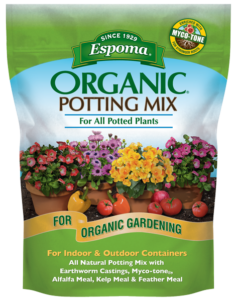
Soil plays a major role in fern success. Ferns need a potting mix that holds moisture while still allowing excess water to drain away. Starting with a high-quality mix like Espoma Organic Potting Mix helps maintain evenly moist soil and supports healthy root systems. Pairing the right soil with containers that have drainage holes makes watering more consistent and stress-free.
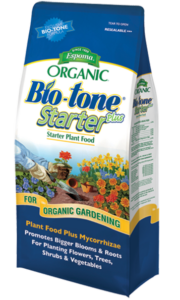
When planting or repotting ferns, mixing in Espoma Organic Bio-tone Starter Plus into the soil can help roots establish more quickly and reduce transplant stress, giving ferns a strong start in their new container.
Ferns need humidity: Any of the ferns that have super delicate, thin fronds (maidenhair ferns, heart leaf ferns, and some Boston ferns) are going to need high humidity (60% to 80%). Put them in a terrarium or under a glass cloche, or keep them near a humidifier.
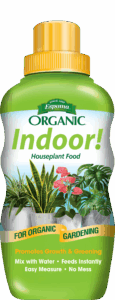
How to fertilize ferns: Ferns don’t need a ton of fertilizer, which makes Espoma Organic Indoor! Liquid Fertilizer the perfect liquid plant food for it. It’s super gentle and should be used when you see new growth on your plants.
Don’t be afraid to prune ferns: Ferns are like a pet that needs to be groomed occasionally. No matter how humid your home is, you’ll have fronds that turn brown, and you should feel free to remove them.
Which Ferns Are Difficult to Grow?
Maidenhair ferns and Heart Leaf ferns are challenging to grow. They need so much humidity to grow and such evenly moist soil. They don’t leave a lot of room for error.
Which Ferns Are Best for Beginners?
Bird’s Nest Fern – The leaves are thicker, more succulent, more hearty. The leaves stick out horizontally and cover the soil, so it’s harder for the soil to dry out.
Rabbit’s Foot Fern – This is a super fun fern that has fuzzy rhizomes that grow on top of the soil that look like little rabbit’s feet.
Boston or Lemon Button Fern – This is one of the hardier ferns. It’s very resilient, so if it does get dried out and turns brown, just cut the entire top off, and it’ll just grow back.
Staghorn Fern – Because they’re “epiphytic” and grow on trees, they are a little bit more tolerant of drying out than other ferns. These are commonly mounted on wooden boards, but you can grow them in potting mix.
Troubleshooting Common Fern Problems
Browning on every frond – likely a humidity issue (or underwatering).
Yellow leaves – usually a sign of overwatering. Make sure your pots have drainage holes, and the soil isn’t staying super wet.
Brown spots – could indicate low humidity or sensitivity to water minerals (use filtered water or distilled water). Fern spores also look like small brown spots, so they could be an indicator of a happy plant!
Balding (patchy, thinning appearance) – likely means the fern needs more light.
Are You Ready to Try Growing Ferns?
Moist soil and humidity are the name of the game. Keep ferns where you’ll see them every day. Use the right pots. Remember, these plants have survived for millions of years. They’re tougher than they look!
Recommended Espoma Organic Products for Fern Success
Choosing the right products can make fern care much easier. These Espoma Organic essentials support healthy roots, consistent moisture, and gentle feeding so your ferns can thrive indoors or out.
Espoma Organic Indoor! Liquid Fertilizer
A gentle liquid plant food ideal for houseplants like ferns. Use during active growth to provide nutrients without the risk of burning.
Espoma Organic Potting Mix
Designed to retain moisture while still draining well, this mix helps create the evenly moist soil conditions ferns need.
Espoma Organic Bio-tone Starter Plus
Best used when planting or repotting, this microbial-rich formula supports root development and helps reduce transplant stress.
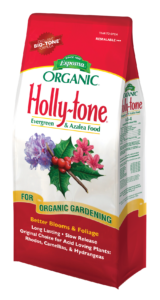
Espoma Organic Holly-tone (for Outdoor Ferns)
For in-ground or outdoor ferns that prefer slightly acidic soil, Holly-tone provides slow-release nutrition and supports long-term soil health when used according to label directions.
*****
Featured Products:
The post How to Care for Ferns  | Growing Joy with Maria first appeared on Espoma Organic.
from Espoma Organic https://www.espoma.com/blog/2025-how-to-care-for-ferns-%f0%9f%8c%bf-growing-joy-with-maria/
from
https://summerblakeley.wordpress.com/2025/12/22/how-to-care-for-ferns-%f0%9f%8c%bf-growing-joy-with-maria/

No comments:
Post a Comment