Did you know that there are many different kinds of lavender? They all smell different, and many of them grow in distinct and unique ways.
This blog is inspired by Episode 296 of Growing Joy with Plants, where Maria talks with Rebecca of Lavender Connection, a family-run farm in Sequim, Washington, about what lavender actually needs to thrive, which types are easiest to grow, and why so many plant parents accidentally kill it.
Where Does Lavender Grow Naturally?
Lavender grows best in the Mediterranean, where there is a lot of sun and very little rain.
Rebecca’s family lavender farm is in Sequim, which lies in the in the “rain shadow” of the Olympic Mountains.
The Three Types of Lavender
There are dozens of lavender types, but there are three main types that you might be more familiar with.
- English lavender (Lavandula angustifolia): small, hardy, and the only type you should use for cooking.
- French lavender (Lavandula dentata): A big plant that can grow up to 4 feet. It loves heat, so it’s a great pick for the South or desert climates.
- Spanish lavender (Lavandula stoechas): has those cute flowers that look like pineapples. Mostly for decoration and a conversation starter.
How to Grow Lavender
Get these two things right, and your lavender will grow.
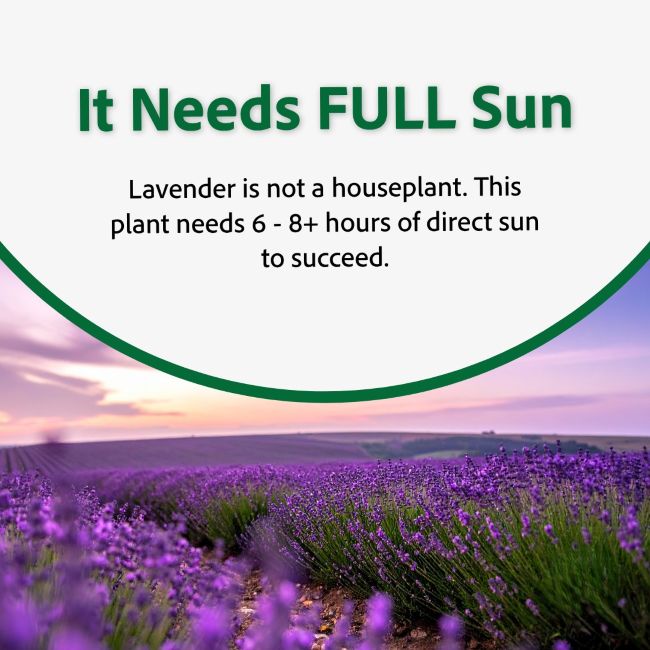
1. Full sun – Lavender is not a houseplant. It wants as much direct sunlight as it can get (6 to 8 hours).
2. Well-draining soil – Root rot is the top reason lavender dies. The roots can handle water that flows through the dirt, but they can’t stay wet.
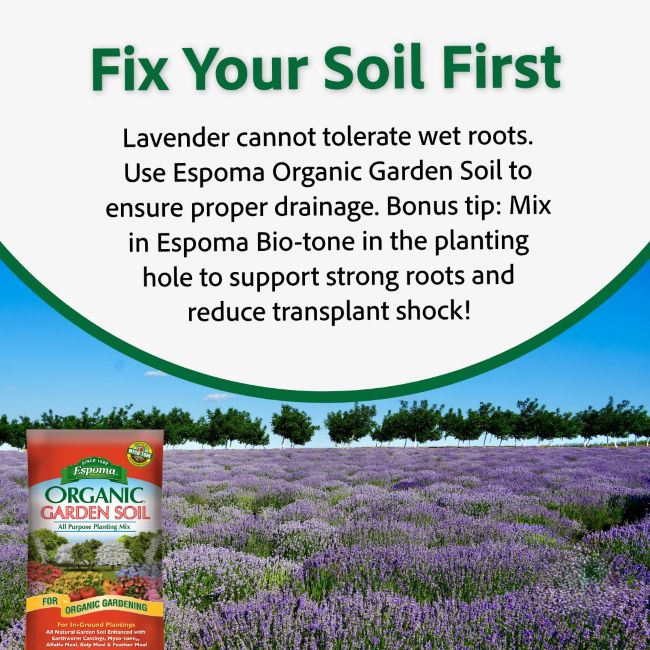
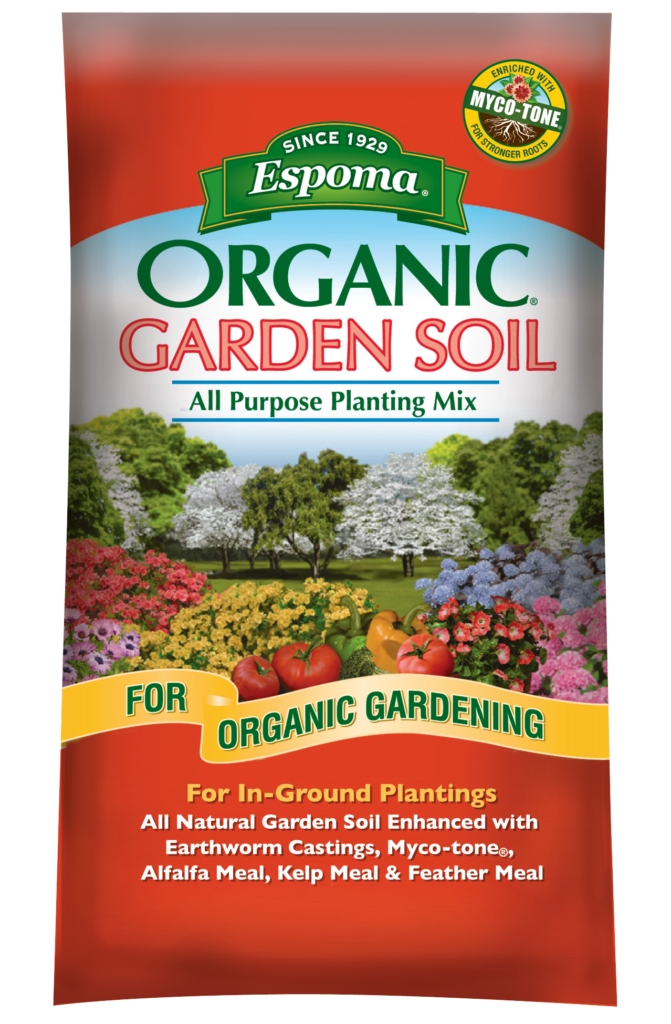
If you have heavy clay dirt, you must amend it before planting. Maria suggests using Espoma Organic Garden Soil. It’s well draining and adds rich organic matter.
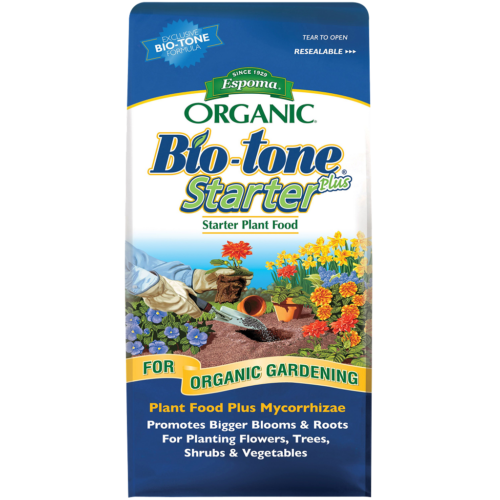
It is also advisable to mix Espoma Bio-tone into the planting hole. This fertilizer gives young plants the gentle nutrition they need to get their roots going strong!
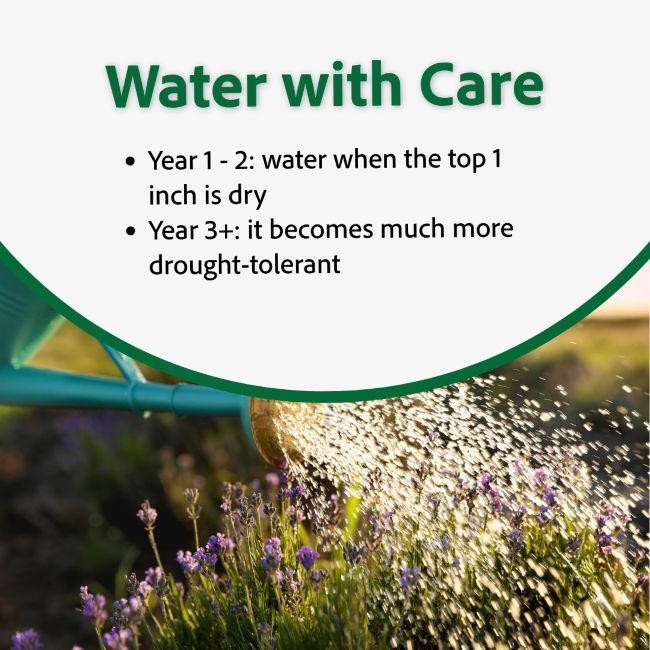
3. Watering – Don’t treat lavenders like a succulent. In the first couple years that it is establishing, do not let it dry out completely.
Treat Lavender Like an Herb
You need to change how you think about this plant. Lavender is an herb. It’s not just a normal flower.
It has hard, woody stems, and the plant gets stronger as it gets older. The longer it lives, the hardier it gets.
Eating and Harvesting Lavender
Dried lavender is one of the simplest and most satisfying things to make at home. Cut the stems just before the buds open (that’s when the fragrance is strongest) and hang them upside down to dry.
Use the dried buds in sachets, or cook with them if you have English lavender. You can also make a lavender syrup that is great in coffee and teas!
How You Can Harvest and Use Lavender
Here are some great ways to use your dried lavender:
- Bouquets and sachets – harvest for buds before the flowers fully open. Dry the stems, then strip the buds for sachets.
- Culinary lavender (simple syrup, teas, baking) – use English lavender (angustifolia).
- Creams, lotions, and body products at home – Rebecca said that without distilling essential oil, infused oils tend to be very subtle. If you’re hoping for a strong scent in creams/lotions, you’ll likely be disappointed unless you’re using essential oil.
The Starbucks Story
The team from Starbucks actually visited Lavender Connection and used Rebecca’s farm as part of the inspiration for their 2025 Lavender Line of coffees.. They smelled dozens of different lavender oils at the farm’s testing bar and inspired the new lavender drinks at Starbucks.
The farm offers this exact scent testing experience to anyone who visits in the summer.
To learn more about growing big, abundant lavender plants, listen to the full Growing Joy with Plants Podcast episode here!
Learn more about Growing Joy with Maria:


Featured Products:
The post How to Grow Lavender | Growing Joy with Maria appeared first on Espoma Organic.
from Espoma Organic https://www.espoma.com/blog/how-to-grow-lavender-growing-joy-with-maria/
from
https://summerblakeley.wordpress.com/2026/06/12/how-to-grow-lavender-growing-joy-with-maria/

No comments:
Post a Comment